
 Russian
 English
- U.A.E., Sharjah Airport SAFE Zone
- avacs.intl.fze@gmail.com
Fri-Sat: weekend
avacs.intl.fze@gmail.com





The history of aircraft construction begins with wooden structures covered with paint. Further development of technology allowed to make welded metal structures, and subsequently aluminum. As all new types of structures were introduced, design, ergonomics and strength of the aircraft improved, composites became popular in the production and repair of aircraft.
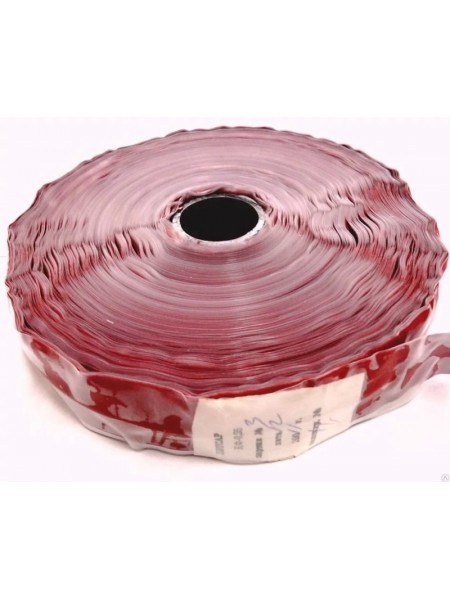
Very often there is a need not only to connect something, but also to ensure complete tightness of this connection. For this, adhesives are used. They contain compositions that have the characteristics of both glue and sealant. The product is widely used for assembling and repairing fuel-wires and fuel tanks, gluing materials exposed to oil products, oils and solvents, manufacturing in-place gaskets for chemical compressors, liquid filled valves and transformers; sealing pipe joints in pipelines for chemicals that cause corrosion.
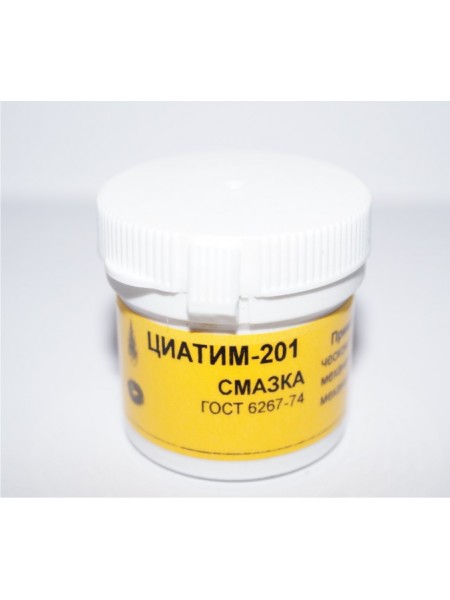
Also for the mechanisms of aircraft use the highest quality lubricants. In principle, such lubricants can be used in land-based machinery. The old aviation lubricant СIATIM-201, created about 35 years ago and still widely used in aviation, is now the most common frost-resistant grease of general purpose. The aviation lubricant CIATIM-203 is also living out its life as a ground-based frost-resistant lubricant, and the lubricant is self-refractory refractory ST (NK-50) - as a heat-resistant lubricant. Lubrication VNII NP-254 is designed for heavily loaded sliding units with contact pressures of 150-250 MPa. It is used in the articulated-bolted joints of the aircraft landing gear, gear and screw gears. It ensures their operation under high and shock loads. Lubrication VNII NP-261 completely replaces the lubricant NK-50, currently used mainly in the bearings of the wheels of aircraft, surpassing the latter in frost resistance and performance