
 Russian
 English
- U.A.E., Sharjah Airport SAFE Zone
- avacs.intl.fze@gmail.com
Fri-Sat: weekend
avacs.intl.fze@gmail.com
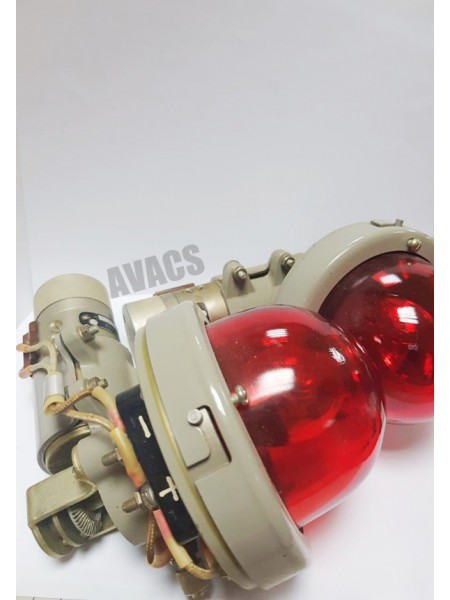
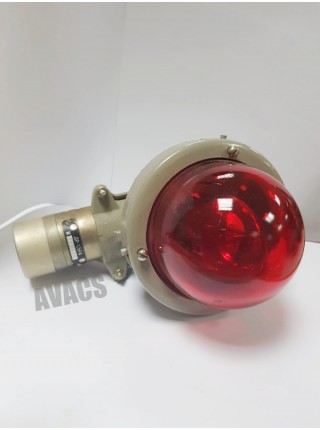

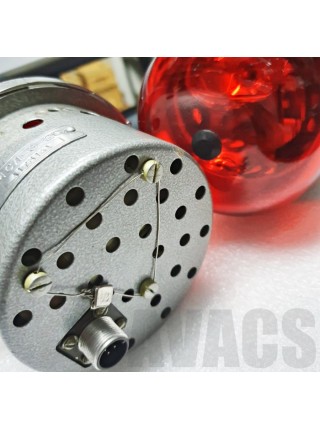
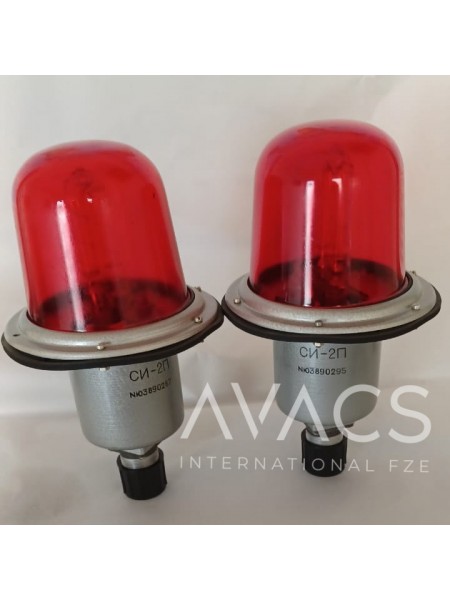

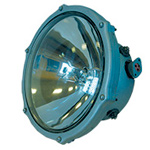
Lighting equipment of aircraft is designed to provide crew work in difficult meteorological conditions of flight and at night, for signaling, as well as for ground training in night conditions. Depending on the purpose (location) are distinguished:
- external lighting equipment;
- internal lighting equipment.
Luminaries such as BANO-57 with single-sided mirror lamps SMZ28-70, lamps ANO-4A with halogen lamps KGSM-27-4s, lamps BANO-45 with a mirror lamp SM-22 (SM28-28) are widely distributed. Tail lights used on aircraft: KhS-57, KhS-62, KhS-39, etc.
The lighting of the cockpit and crew workplaces on planes was initially carried out by ordinary incandescent lamps. Usually red lamps alternate with white ones, such as SM28-2,8 white, SMK28-2,8 red and CM-37, SMK-37 at 27 or 6.3 V, and also on lamps with 6.3 volts built-in lights of devices.
As emergency light sources, standard SBC luminaires are used, which are installed on an easily removable moving base or a hinged pod. These luminaires have their own built-in brightness adjustment and a switchable red-and-white filter. A small-sized SM28-4,8 lamp is installed in the SBC.
In illumination of technical aircraft, lamps P-39 and P-45 are widely used. These luminaires are mounted on hinged bases, on struts or flush with the panels of the inner lining of compartments.
On helicopters, search and landing lights of the type FPP-7 (M) have found application, the feature of which is that they can not only be produced in the longitudinal plane, but also tilt the headlight lamp in the transverse plane, which makes it possible to illuminate the rescue and loading spaces -loading operations, produced from a helicopter, to find a landing site at night. The source of light in the headlamp FPP-7 is a lamp-headlamp LFS-PS27-450.